

2016 Photo Gallery
Images may be downloaded for use in relationship to the 2016 report The World's Worst Pollution Problems 2016: The Toxics Beneath Our Feet only. Please credit images as noted in captions. For permission to use photos by Larry C. Price, please email debbie@priceandpricecreative.com

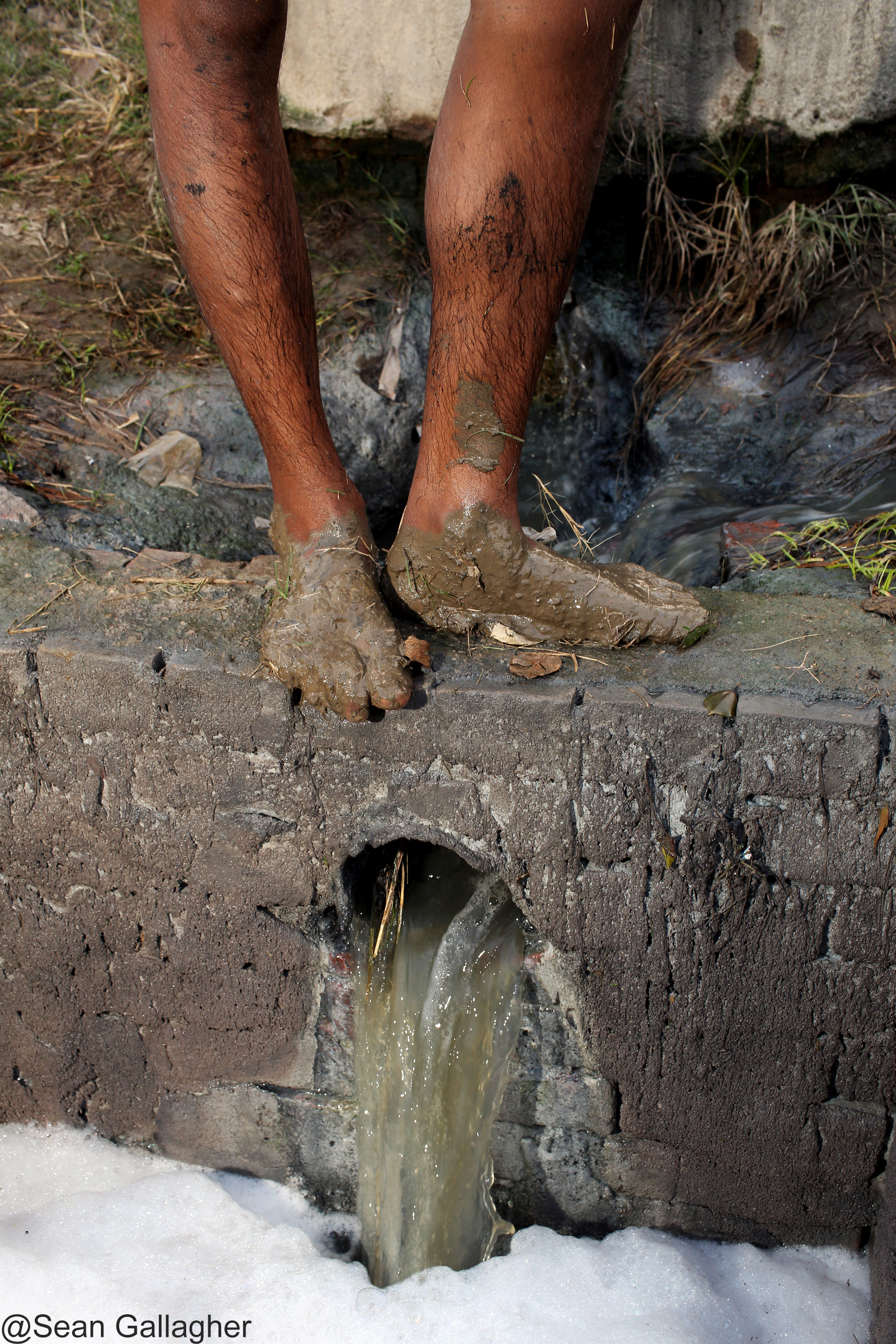
A young man stands barefoot on land next to his farm in Sheikpura village on the outskirts of the city of Kanpur in India. Beneath his feet, contaminated water pours out sewerage pipes and enters his farm.
Photo: Sean Gallagher
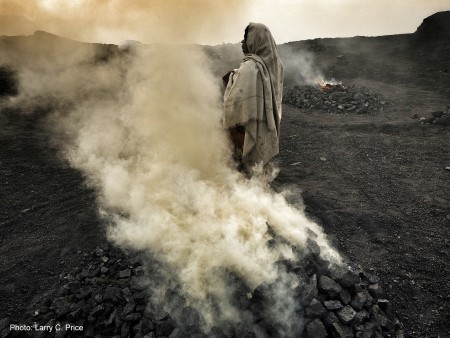
A woman tends fires of burning coal at a village outside Djaria, India, the epicenter of the country’s largest coal deposits. Villagers scavenge coal from the bottom of nearby open pit mines, burn the coal pieces to form charcoal, then sell bags of the processed coal in local markets.
Photo: Larry C. Price
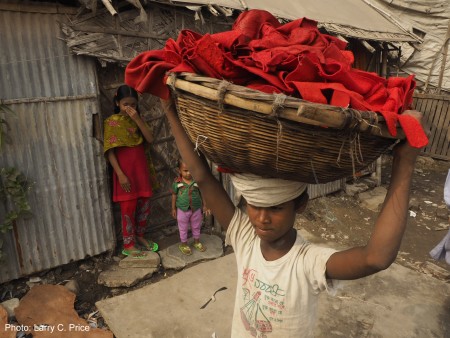
A young boy walks through the Hazaribagh tannery district of Dhaka, Bangladesh, carrying a basket of freshly tanned hides. Hazaribagh is the most polluted area of Dhaka, where the effluent from more than 200 tanneries flow into the nearby Buriganga River.
Photo: Larry C. Price
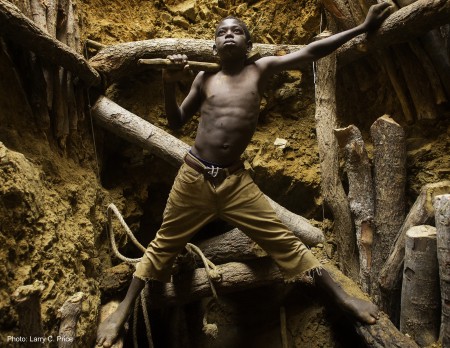
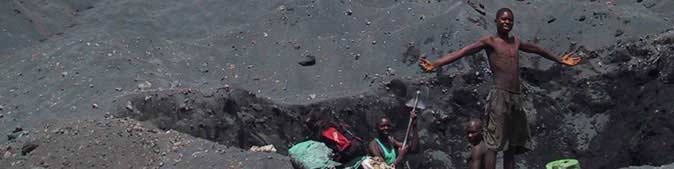
A 12-year-old boy pauses after working at the bottom of a 40-foot-deep open pit gold mine in western Burkina Faso.
Photo: Larry C. Price
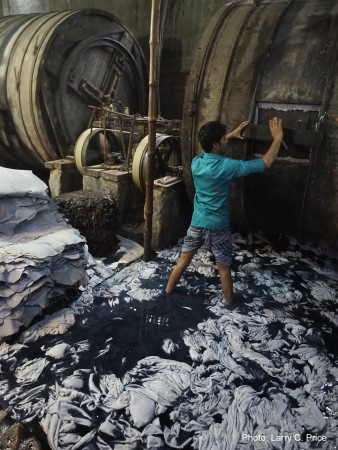
A worker stands ankle-deep in toxic chemicals used to tan skins at a leather factory in Dhaka, Bangladesh.
Photo: Larry C. Price
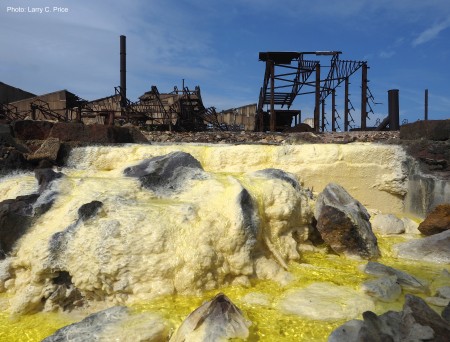
Toxic chromium compounds from an abandoned chemical factory in Ranipet, India, leach into the watershed. The factory produced chromium-based chemicals used in the leather tanning industry. This chromium waste accumulated in massive mounds on the factory grounds, where it remains today, more than 20 years after the plant closed 1995.
Photo: Larry C. Price
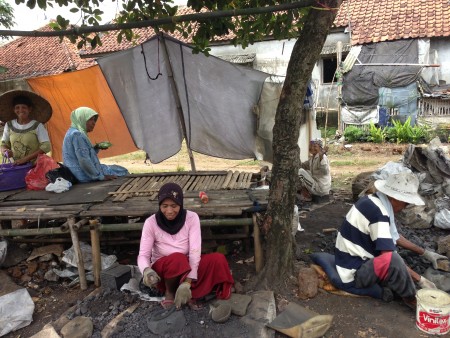
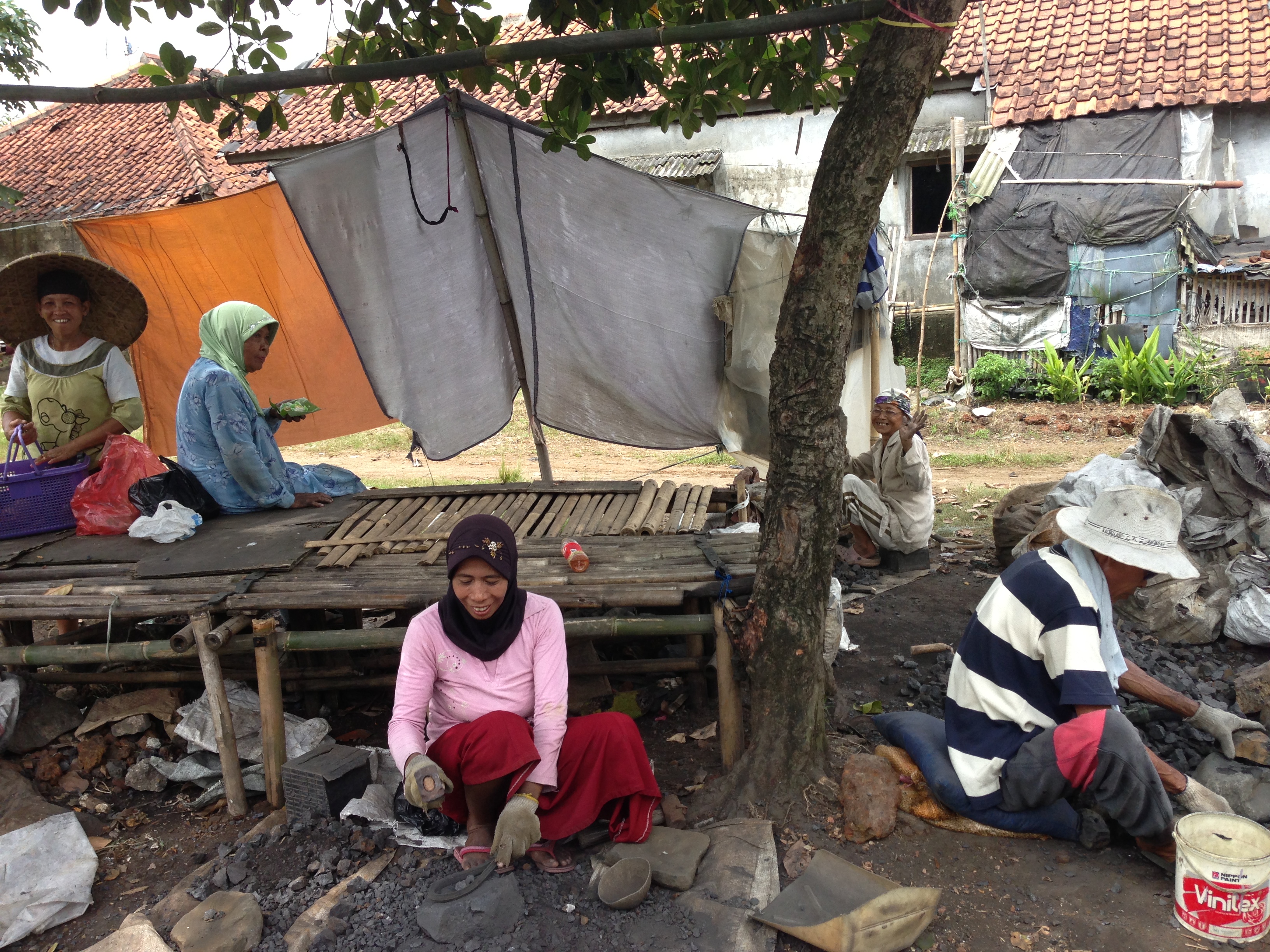
A woman in Indonesia breaks up lead slag left over from the recycling of used lead-acid batteries
Photo: Pure Earth
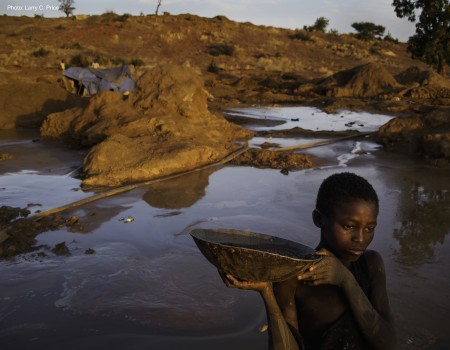
A small boy carries a pan of gold ore along the denuded landscape of a small-scale gold mining area in western Burkina Faso.
Photo: Larry C. Price
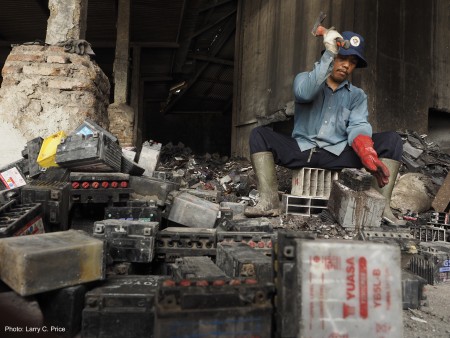
A man in Tegal, Indonesia, uses a hammer to break up old batteries by hand in order to extract the valuable lead within. The improper recycling of used lead-acid batteries takes place in almost every low- and middle-income country, sometimes in backyards and kitchens. Toxic lead is spilled everywhere in the process.
Photo: Larry C. Price
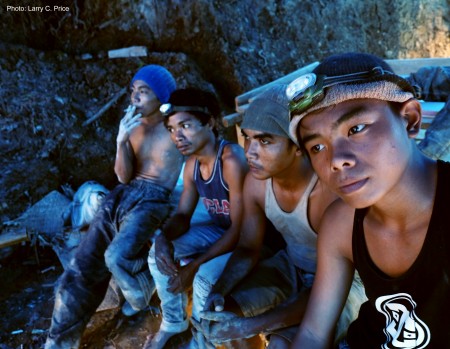
A group of miners in Indonesia
Photo: Larry C. Price
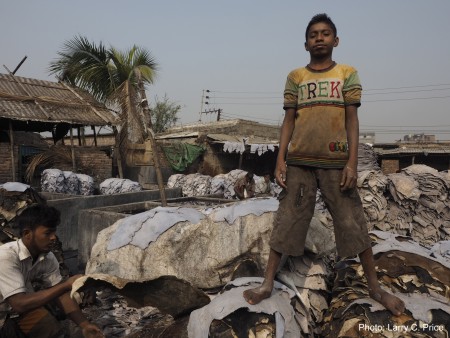
A boy stands on a mountain of hides
Credit: Larry C. Price
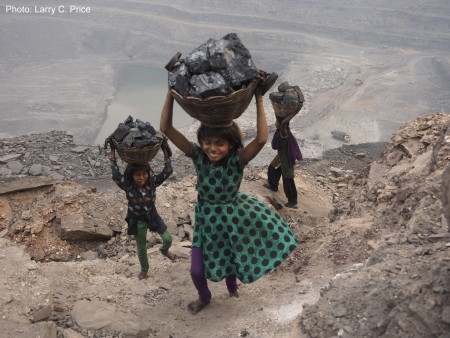
Children scavenge coal from the bottom of nearby open pit mines outside Djaria, India, the epicenter of the country’s largest coal deposits. The coal is burned to turn it into charcoal, then bagged and sold in local markets.
Photo: Larry C. Price
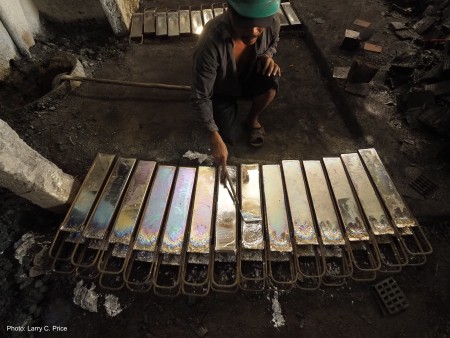
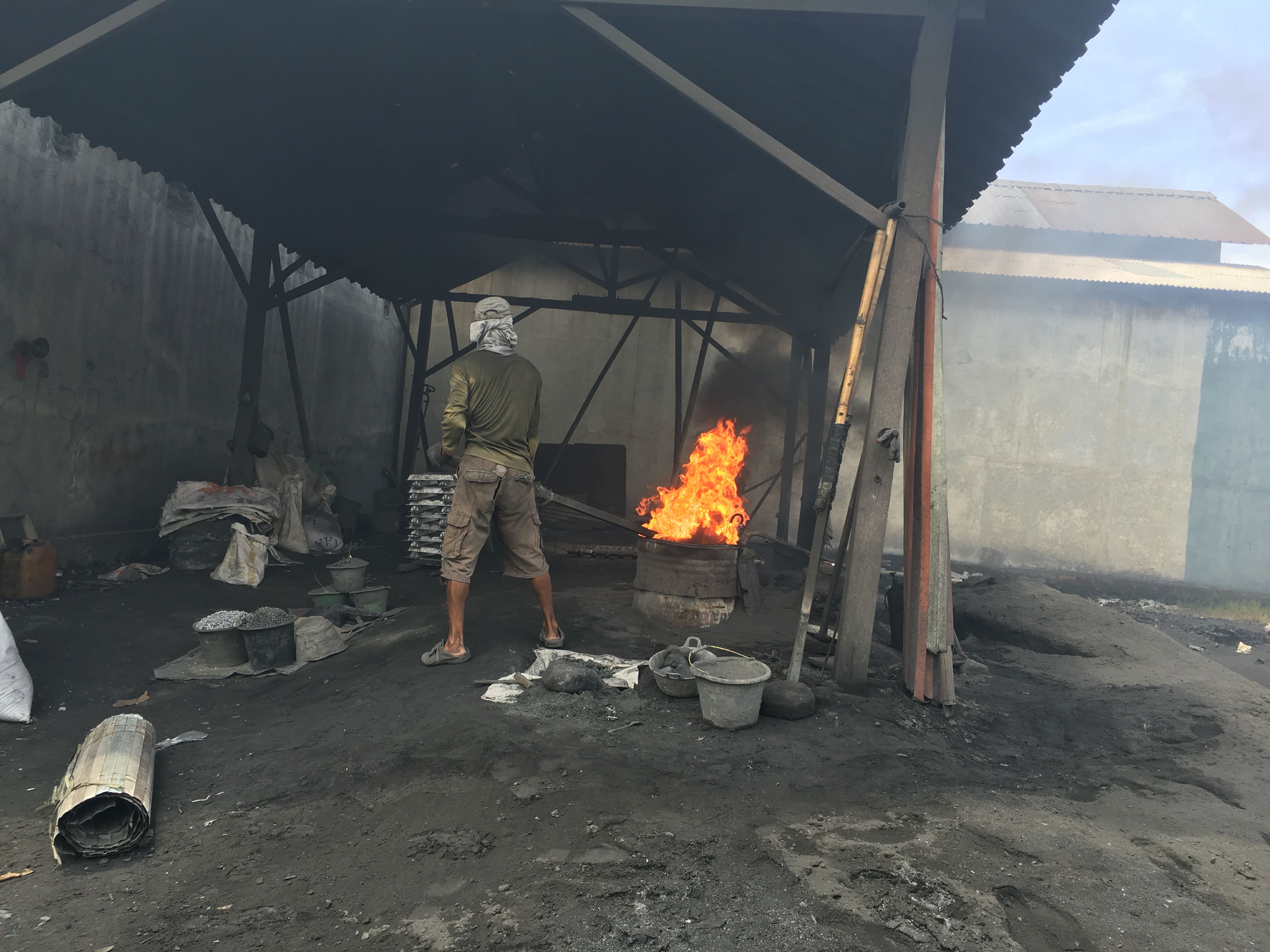
In Kebasen, Indonesia, three new battery smelters process thousands of batteries a day. The workers each sit on a battery casing on the floor and swing small axes to split open the batteries and remove the lead cells. Other workers shovel the cells into the furnaces. After the lead melts, they pour it into trays to make ingots. The lead is bought by a company that makes fishing weights and air gun pellets.
Photo: Larry C. Price
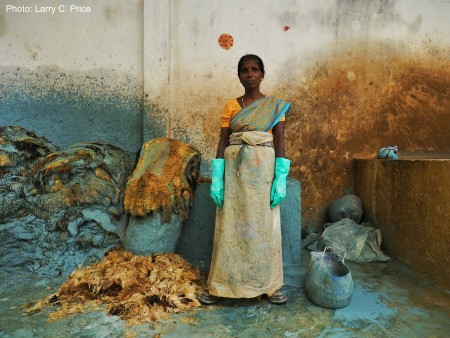
In the Vellore district of Tamil Nadu, women arrive at the tanneries early in the morning wearing jewelry and brightly colored saris, as though they were going to a shop or restaurant, certainly not to a place where they are constantly splattered with rotting animal flesh. They wrap themselves in plastic to protect their clothes, some pull on gloves, and then they go to work. Some stand or sit for hours, plucking hair by hand from softened hides stretched over frames. Others stir sheets of leather floating in vats of chemicals.
Photo: Larry C. Price
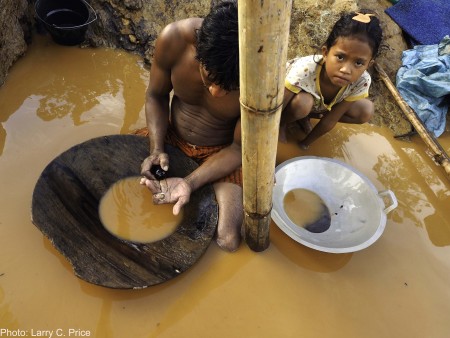
A gold miner in Indonesia pours out mercury from a small bottle while a child sits next to him. Toxic mercury is used widely in artisanal and small-scale gold mining.
Photo: Larry C. Price
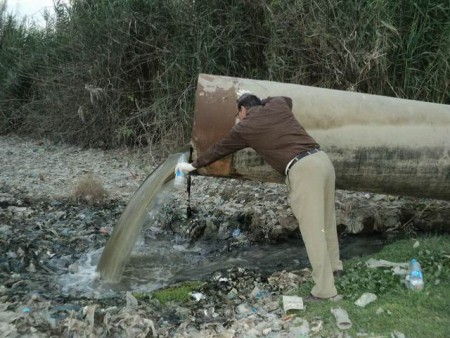

Spraying an agricultural field outside Kolkata, India.
Photo: Larry C. Price
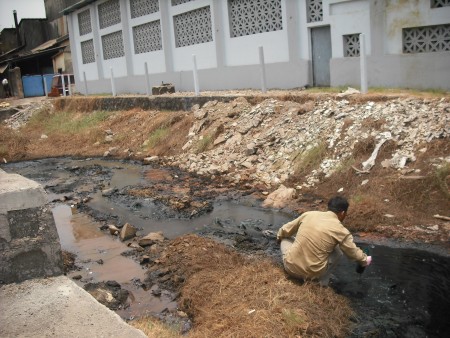
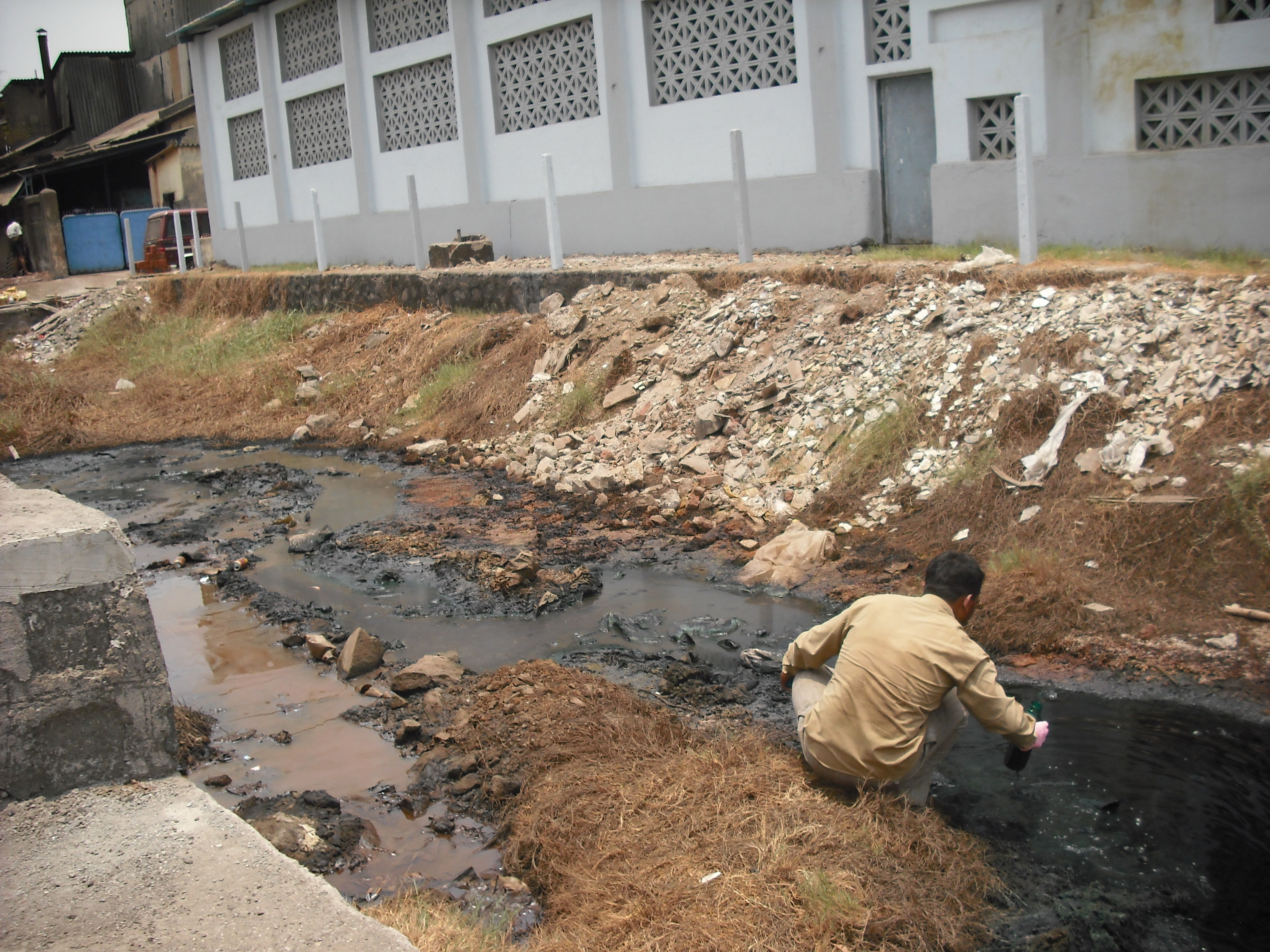
Waste water and sludge collect near an industrial estate in India
Credit: Pure Earth
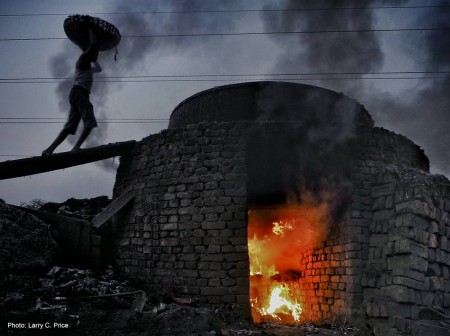
Outside Kolkata, India, a worker carries leather scraps toward the top of a 12-foot boiling cauldron of hides. Eventually the hides are rendered into glue, a byproduct of the many nearby tanneries.
Photo: Larry C. Price
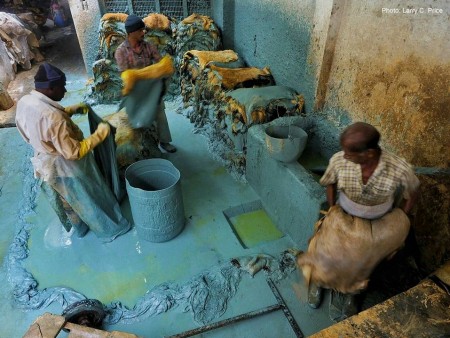
Workers sort goat skins that have been tanned using chromium compounds. The chemicals are referred to as “chromium blue."
Photo: Larry C. Price
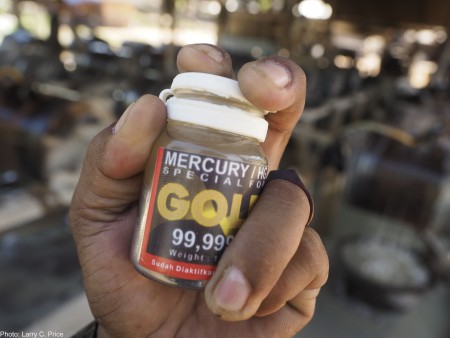
Bottles of mercury are sold freely in many artisanal and small-scale gold mining communities, such as this one in Indonesia at a mining area near Wonogiri In Central Java.
Photo: Larry C. Price
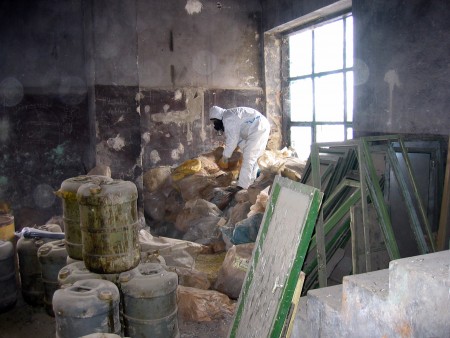
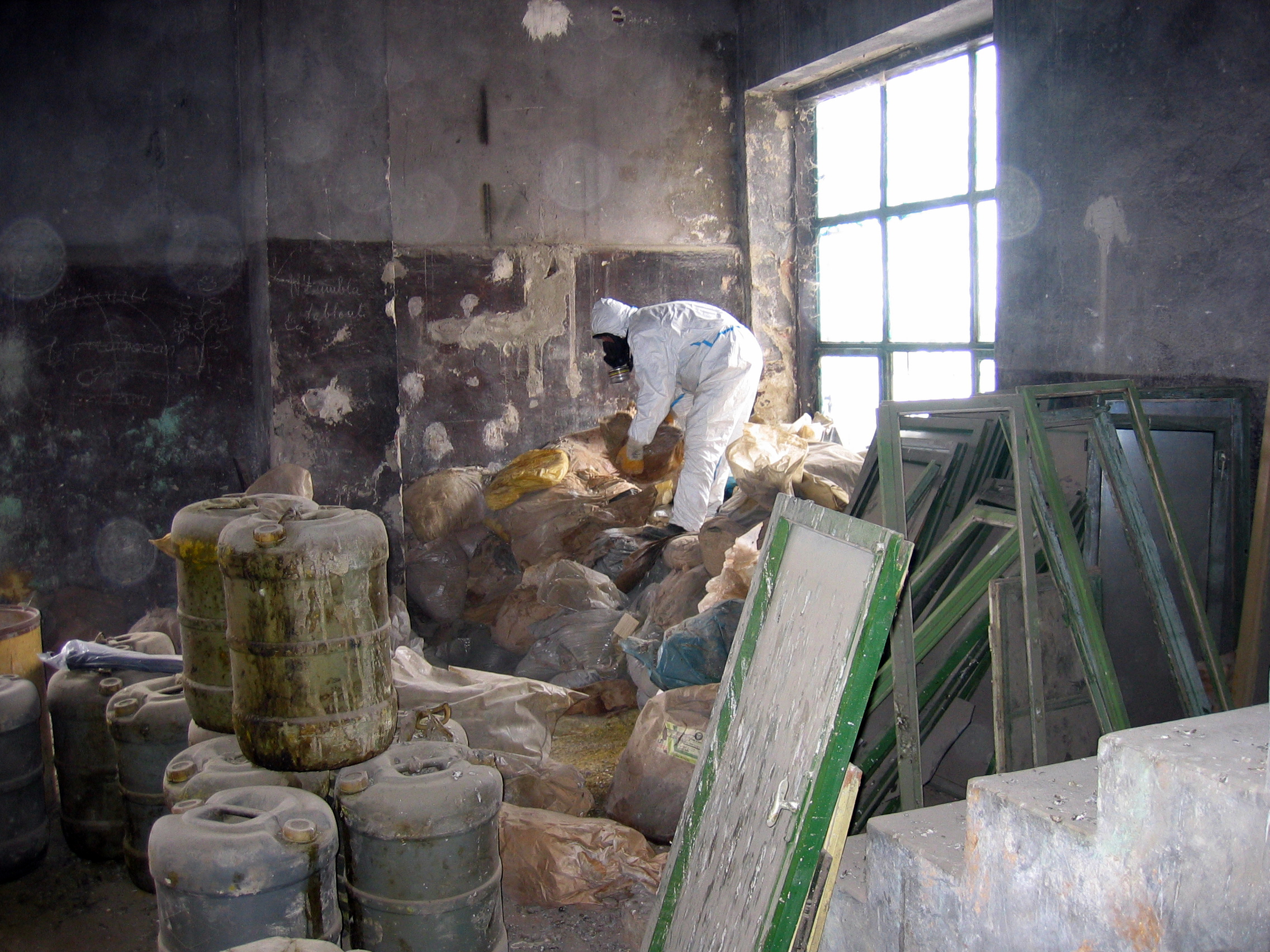
Obsolete pesticides are often left in abandoned buildings and stored in crumbling barrels. At this location in the former Soviet Union, workers in hazmat suits are working to ensure that the toxic substances are safely managed.
Photo: Pure Earth
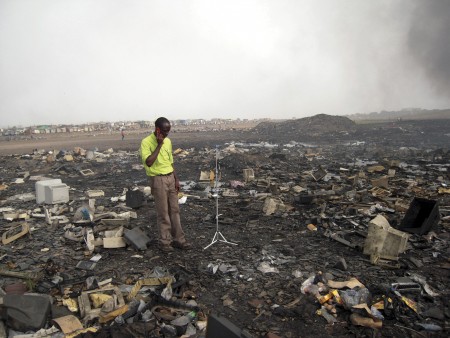
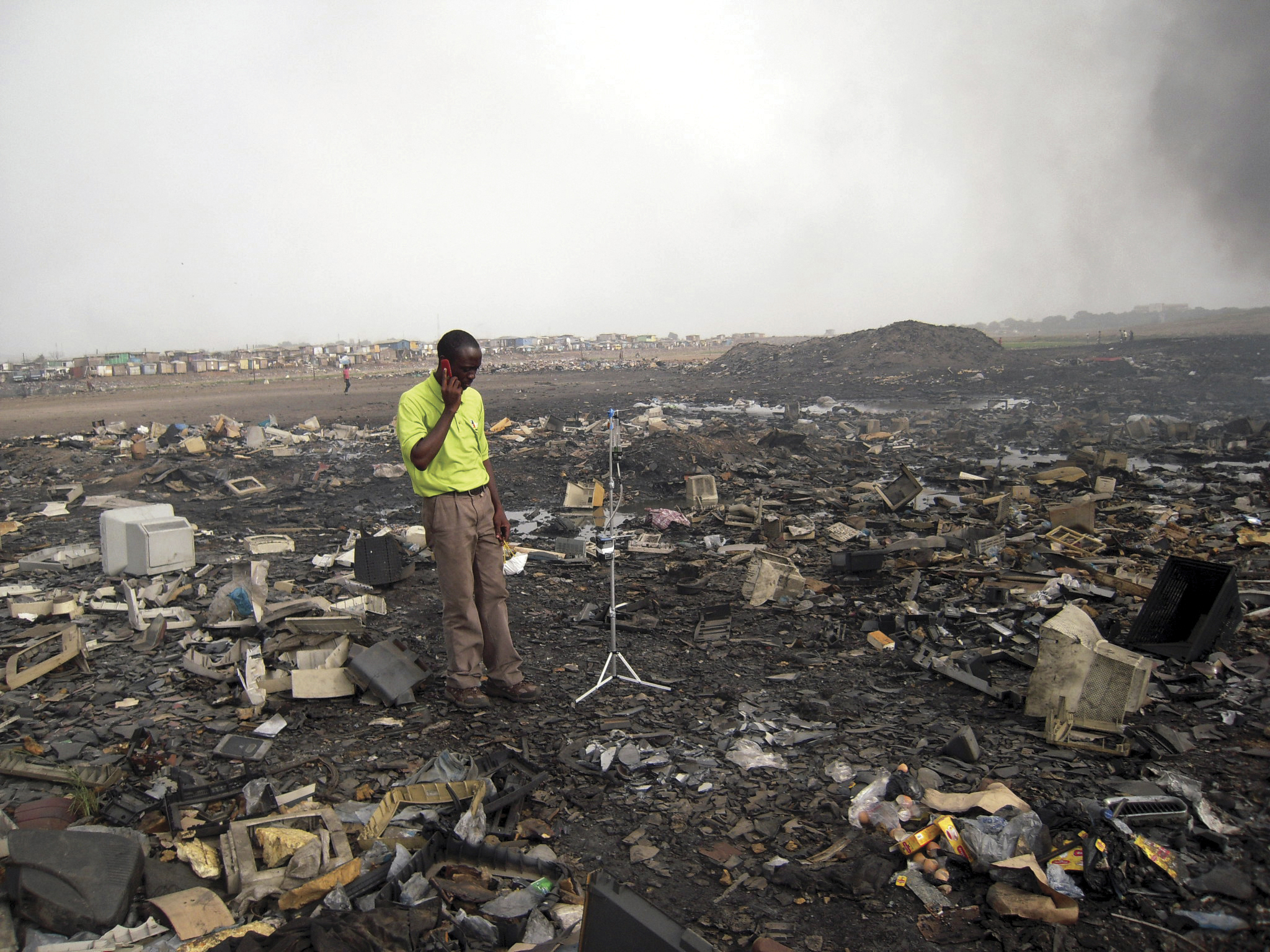
Man taking air samples at the Agbogbloshie e-waste site in Ghana. Informal recyclers burn e-waste to extract valuable metals. The burning releases toxic fumes that contaminate the community.
Photo: Pure Earth
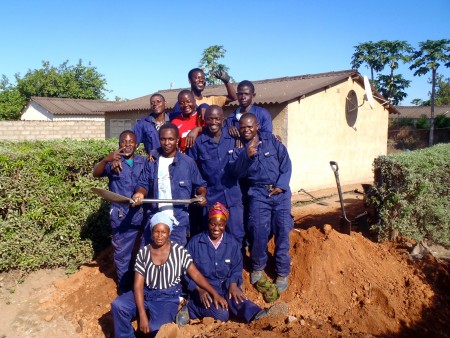
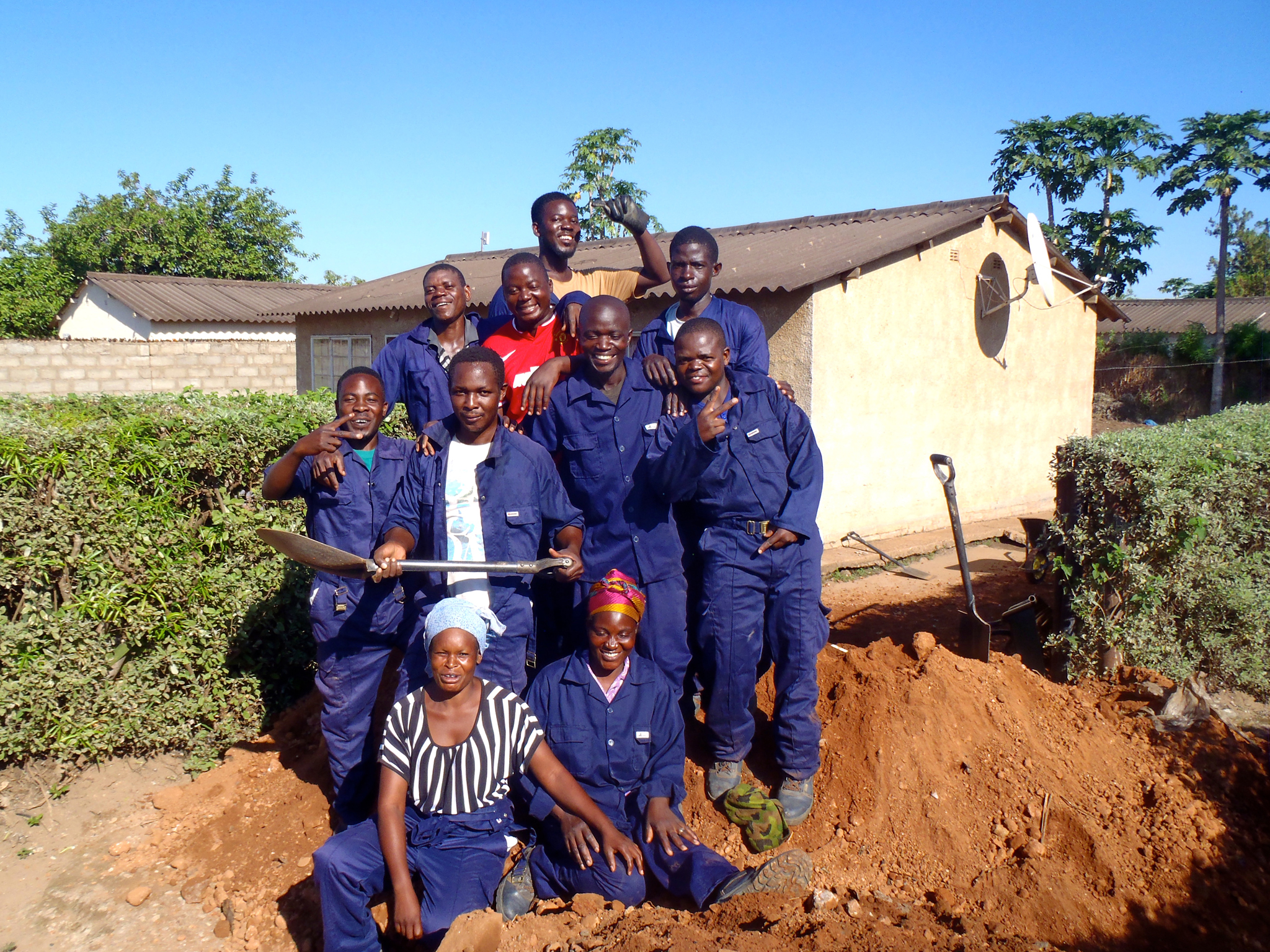
One of the local Pure Earth remediation crews that worked on the cleanup of lead contamination in the community of Chowa in Kabwe, Zambia. Almost every child in Chowa suffers from lead poisoning. The contamination comes from lead mines and smelters located just a short five-minute walk away from hundreds of homes.
Photo: Pure Earth
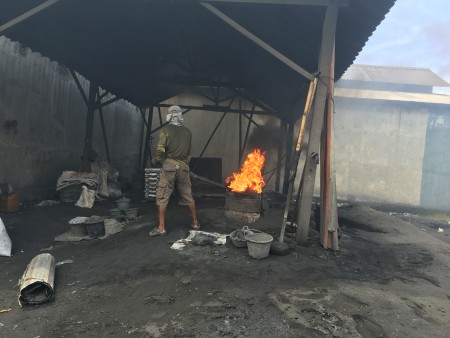
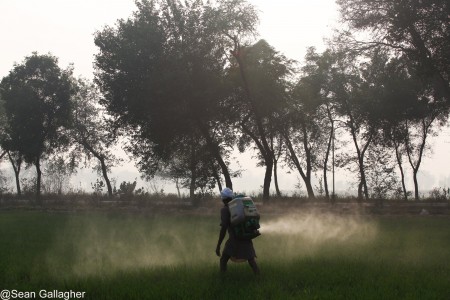
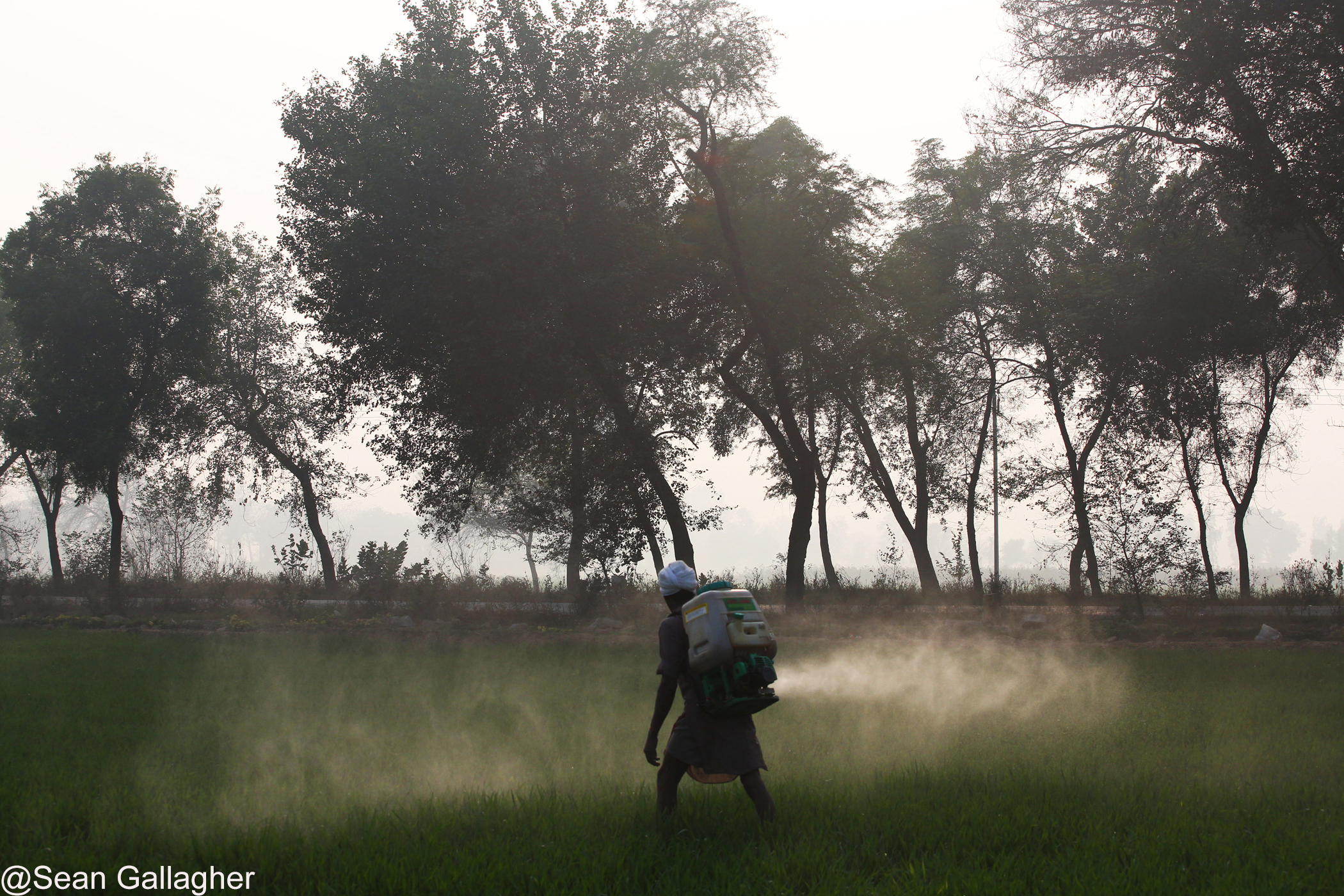
A man sprays pesticides on a field in the Punjab region of northwest India. Excessive pesticide use in the region over the past 30-40 years has led to the accumulation of dangerous levels of toxins such as uranium, lead and mercury, which are contributing to increased health problems in rural communities.
Photo: Sean Gallagher
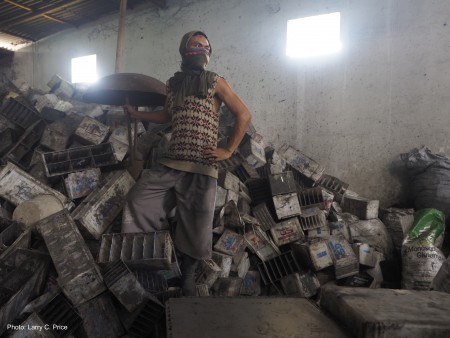
Man standing on a pile of used lead-acid batteries. Some experts believe that lead poisoning from the improper recycling of used lead-acid batteries is the #1 childhood environmental health threat globally.
Credit: Larry C. Price

In a Dhaka, Bangladesh tannery, a man works barefoot in a pool of toxic chromium-based chemicals used to process leather.
Photo: Larry C. Price